
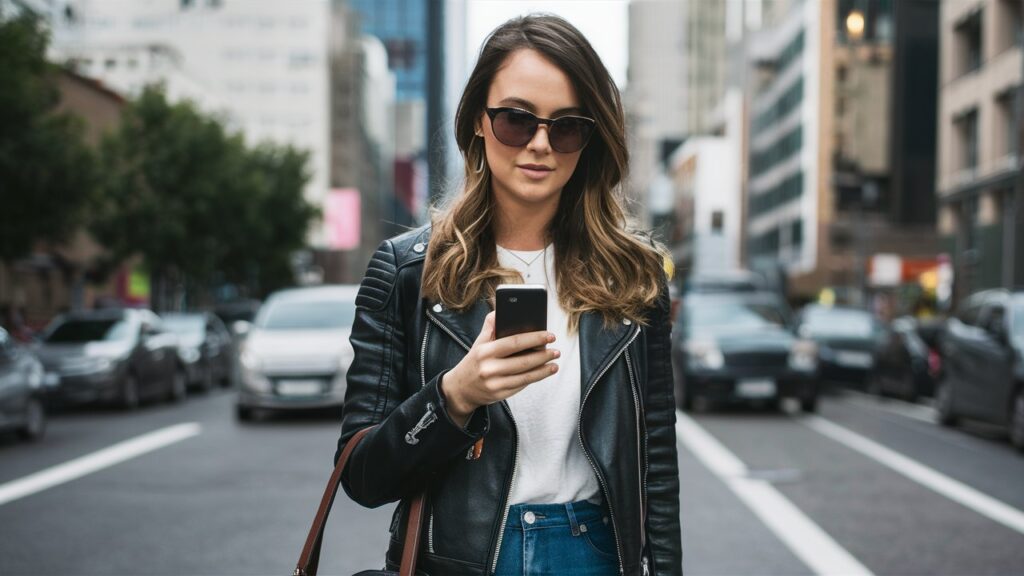
Social media has revolutionized the fashion industry, transforming the way trends are created, disseminated, and consumed. From humble beginnings, it has evolved into a powerful platform that dictates the fashion world’s pulse. This digital revolution has democratized fashion, allowing diverse voices and styles to gain prominence.
The Rise of Influencer Culture
Social media has catapulted individuals from obscurity to global fashion icons. Influencers, with their ability to connect authentically with their followers, have become trendsetters. Their curated feeds showcasing personal style and fashion choices influence buying decisions on a massive scale. Collaborations between brands and influencers have become the norm, amplifying the reach and impact of fashion trends.
Democratization of Fashion
Gone are the days when fashion trends were dictated solely by high-end designers and celebrities. Social media has leveled the playing field, giving rise to a multitude of styles and subcultures. Fashion enthusiasts can now share their unique looks and inspire others, fostering a sense of community and inclusivity. This democratization has led to a more diverse fashion landscape, catering to a wider range of tastes and preferences.
Fast Fashion and Social Media
The fast-paced nature of social media has accelerated the fashion cycle. Trends emerge and fade rapidly, driven by viral content and influencer endorsements. This has fueled the rise of fast fashion, with brands quickly producing affordable clothing to meet consumer demand. While this has made fashion more accessible, it has also raised concerns about sustainability and ethical production practices.
Visual Storytelling and User-Generated Content
Social media platforms are visual-centric, emphasizing the power of imagery in storytelling. Fashion brands leverage this by creating captivating content that resonates with their target audience. User-generated content, such as Instagram posts and TikTok videos, has become a valuable tool for brands to connect with consumers authentically. It allows for genuine engagement and fosters a sense of community around the brand.
Social Media as a Trend Forecasting Tool
Social media platforms have become invaluable resources for trend forecasting. By analyzing user behavior, engagement metrics, and emerging hashtags, brands and designers can identify potential trends and adapt their offerings accordingly. This data-driven approach helps ensure that fashion offerings align with consumer desires and preferences.
Challenges and Opportunities
While social media has undoubtedly transformed the fashion industry, it also presents challenges. Issues such as unrealistic beauty standards, body image concerns, and the pressure to conform to trends are prevalent. However, it also offers opportunities for positive change. Social media can be a platform for promoting body positivity, sustainability, and ethical fashion practices.
In conclusion, social media has irrevocably changed the fashion landscape. Its impact on trend creation, dissemination, and consumption is undeniable. As technology continues to evolve, the role of social media in shaping fashion is likely to become even more significant. Embracing this digital revolution while addressing its challenges is crucial for the fashion industry to thrive in the future.