
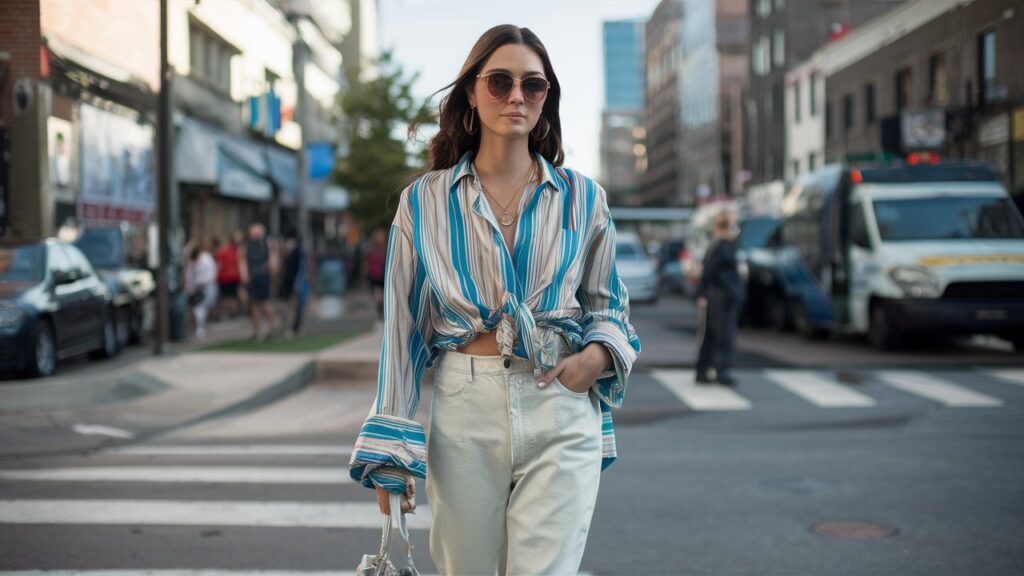
Fashion is more than just clothing; it’s a form of self-expression, a cultural statement, and a powerful tool for identity. From the catwalks of Paris to the streets of New York, fashion is a dynamic and ever-evolving landscape. At its core, fashion is a reflection of society, its values, and its aspirations.
The Language of Fashion
To truly appreciate the world of fashion, it’s essential to understand the language it speaks. Fashion styles are diverse, ranging from the classic and timeless to the avant-garde and experimental. From the structured elegance of formal wear to the casual comfort of athleisure, there’s a style for everyone.
Beyond individual styles, fashion is also deeply intertwined with subcultures. These are groups of people who share similar interests, values, and tastes, often expressed through their unique fashion choices. Subcultures have been instrumental in shaping the fashion industry, introducing new trends and challenging the status quo.
A Tapestry of Styles
The fashion world is a rich tapestry woven with threads of countless styles. Some of the most iconic include:
- Classic: Timeless and elegant, classic fashion emphasizes quality, fit, and understated sophistication.
- Casual: Comfortable and relaxed, casual wear is perfect for everyday life.
- Formal: Characterized by refined fabrics, impeccable tailoring, and polished accessories, formal wear is reserved for special occasions.
- Streetwear: Rooted in urban culture, streetwear is a blend of comfort, style, and attitude.
- Bohemian: Embracing freedom and individuality, bohemian fashion is characterized by flowing fabrics, earthy colors, and eclectic accessories.
- Gothic: Dark and mysterious, gothic fashion often features black, lace, and dramatic makeup.
- Punk: A rebellious and anti-establishment movement, punk fashion is characterized by its DIY aesthetic and provocative style.
The Power of Subcultures
Subcultures have played a pivotal role in shaping the fashion industry. From the counterculture movements of the 1960s to the youth-driven trends of today, subcultures have challenged norms and introduced new ideas.
- Hippies: The hippie movement of the 1960s embraced peace, love, and nature, influencing fashion with its flowing silhouettes, earthy tones, and floral prints.
- Punk: Emerging in the 1970s, punk rejected mainstream fashion with its rebellious attitude, ripped jeans, leather jackets, and safety pins.
- Hip-hop: Born in the Bronx in the 1970s, hip-hop culture has had a profound impact on fashion, with baggy jeans, oversized hoodies, and sneakers becoming iconic staples.
- Grunge: Emerging from the Seattle music scene in the 1990s, grunge fashion challenged the glamour of the fashion industry with its laid-back, androgynous style.
Fashion’s Enduring Appeal
Fashion is a powerful force that transcends generations and cultures. It allows individuals to express their identity, connect with others, and make a statement. By understanding the different fashion styles and subcultures, we can appreciate the rich diversity and creativity that define this dynamic industry.
Whether you’re a fashion enthusiast or simply someone who enjoys dressing well, exploring the world of fashion can be a rewarding experience. From iconic styles to emerging trends, fashion has the power to inspire, empower, and transform.